Film, TV or Theatre?
Look for training that matches the medium you actually want to work in.
A concise guide for actors comparing professional training, with a focus on on-camera work, class progression, instructor experience and fit.
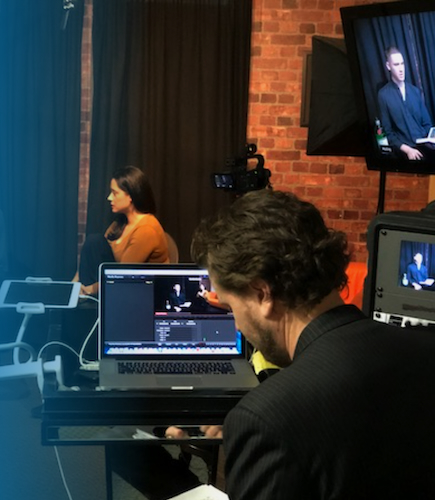
“Acting school” can mean very different things in Toronto. Some programs are theatre-centred. Some are academic. Some focus on auditions. Others are built specifically around film and television. The right choice depends on the work you want to do and how you learn best.
Look for training that matches the medium you actually want to work in.
For screen actors, regular camera work and playback matter more than theory alone.
A clear path from beginner to intermediate and advanced training helps actors build craft over time.
Look at the instructor's professional experience, teaching focus and ability to communicate adjustments.
Good studios protect class level rather than placing everyone together regardless of experience.
Schedule, location, class length and private-coaching options should fit your real life.
Alza Acting Studio offers progressive on-camera training for actors at different stages, from introductory screen work through more advanced scene study and character development.
Actors improve by working, adjusting and repeating, not only by listening.
If your goal is film or TV, the training environment should reflect that medium.
A useful program should explain how training develops as your craft becomes more advanced.
Class structure affects how much individual work, direction and repetition you receive.
Clear scheduling, pricing and registration information are signs of a well-run studio.
Consistent training is easier when the studio is accessible enough for you to attend regularly.
If your goal is practical film and television training, explore current class levels, schedules and registration directly on the studio website.